
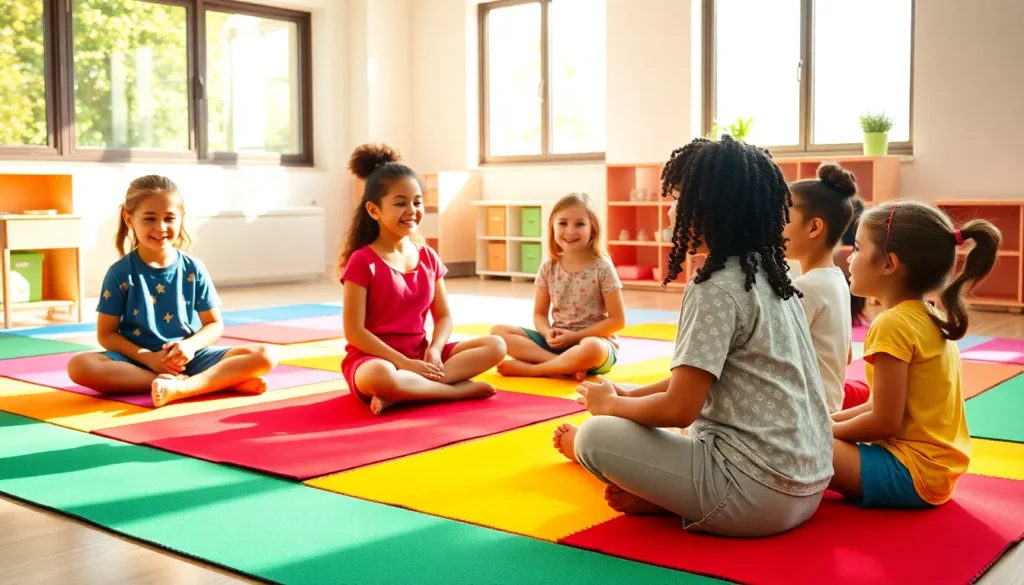
In a world buzzing with distractions, kids often find themselves racing from one activity to the next. What if there was a way to hit the pause button and help them find their inner zen? Enter mindfulness sessions for kids—a fun and engaging way to teach little ones how to breathe, focus, and maybe even discover that their socks don’t always have to match.
These sessions aren’t just about sitting cross-legged and chanting “om.” They’re packed with games and activities that make mindfulness as appealing as a candy store. By incorporating mindfulness into their daily routine, kids can learn to manage stress, improve concentration, and unleash their creativity. So why not let them embark on this exciting journey toward calmness? After all, a peaceful mind is a happy mind—and who wouldn’t want a happier kid?
What Are Mindfulness Sessions for Kids?
Mindfulness sessions for kids involve purposeful activities that encourage children to focus on the present moment. These sessions can include interactive games, breathing exercises, and guided imagery that help cultivate awareness and emotional regulation.
Definition of Mindfulness
Mindfulness refers to the practice of being fully aware of the current moment without judgment. It encourages individuals to observe thoughts and feelings while remaining grounded. Children learn to recognize their emotions and surroundings, promoting mental clarity and emotional stability.
Importance of Mindfulness for Children
Mindfulness benefits children by enhancing their emotional health. Research indicates that engaging in mindfulness activities leads to reduced anxiety and improved focus. Kids learn coping strategies through mindfulness, helping them deal with stress more effectively. Moreover, these sessions encourage creativity and better social interactions, fostering happier relationships and a peaceful mindset.
Benefits of Mindfulness Sessions for Kids
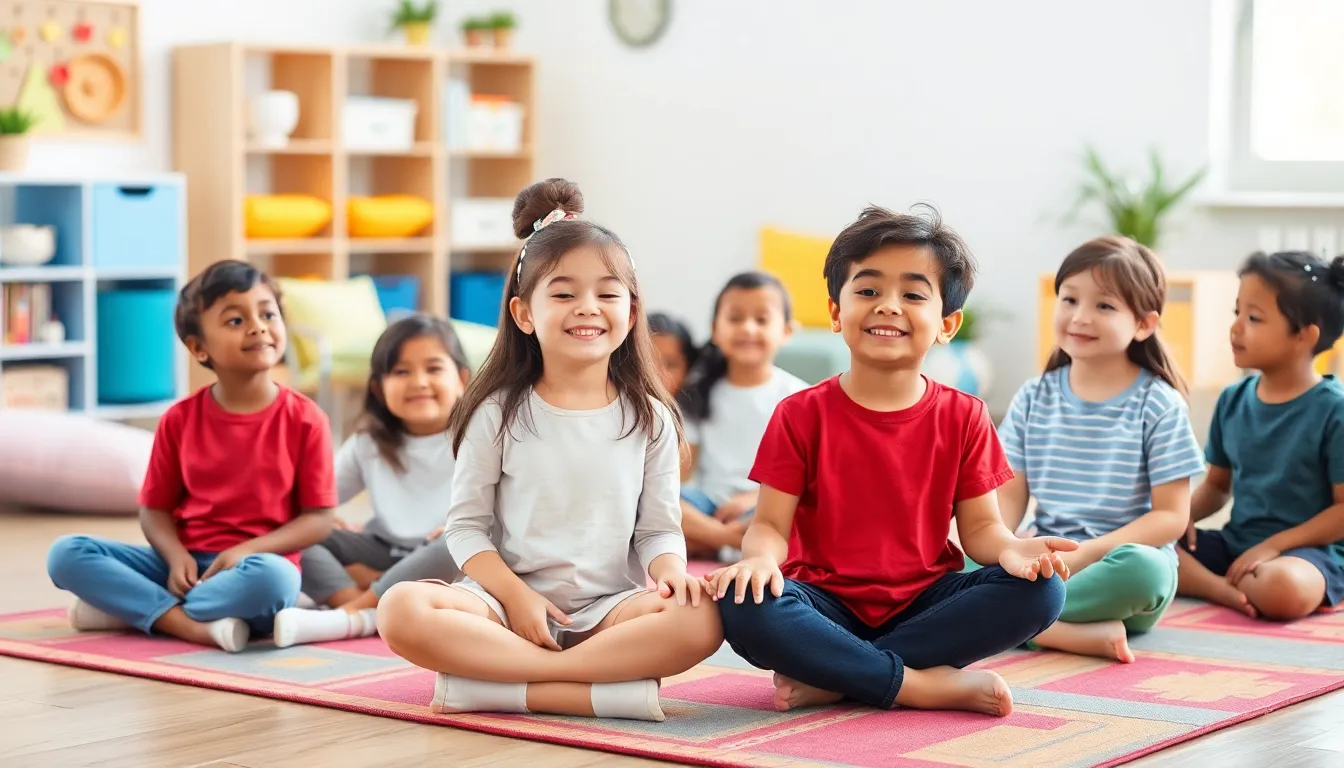
Mindfulness sessions provide significant benefits for children, promoting well-being and enhancing overall development. These engaging practices foster a healthier mindset in a world filled with distractions.
Enhanced Focus and Concentration
Mindfulness sessions enhance children’s ability to focus and concentrate on tasks. Engaging in focused activities helps them develop attention skills. Practicing mindfulness teaches kids to redirect thoughts when distractions arise, leading to better academic performance. As they learn to observe thoughts without judgment, their capacity to stay present improves. Research indicates that regular mindfulness practice can increase attention span by up to 20%. Mindfulness sessions often include interactive games that make concentrating fun, inviting active participation and enjoyment.
Improved Emotional Regulation
Mindfulness sessions support better emotional regulation in children. Learning to recognize emotions empowers kids to express feelings appropriately. Through breathing exercises and guided imagery, children develop tools for managing stress and anxiety. Mindfulness techniques encourage them to pause and respond thoughtfully instead of reacting impulsively. Studies show that practicing mindfulness can reduce anxiety levels by over 25% in children. As kids gain emotional awareness, they build resilience, leading to improved social interactions and healthier relationships with peers.
How to Implement Mindfulness Sessions for Kids
Implementing mindfulness sessions for kids involves structured techniques and the right resources. These elements foster a supportive environment for children to engage in mindfulness activities.
Techniques for Teaching Mindfulness
Start by introducing breathing exercises. These exercises help children focus on their breath and create a sense of calm. Incorporate interactive games that require concentration, allowing participants to practice mindfulness in an engaging way. Use guided imagery to spark imagination and encourage relaxation. Establish routine practices, such as daily check-ins, which help children articulate their emotions. Sessions can last between 10 to 15 minutes, making them manageable for young attention spans. Reinforce positive behavior with praise, promoting a sense of accomplishment in their mindfulness journey.
Resources and Tools for Parents and Educators
Accessing resources enhances mindfulness sessions. Books targeted at children simplify complex concepts. Apps focusing on mindfulness provide interactive experiences that engage kids. Online videos or podcasts offer guided practices, making mindfulness accessible. Incorporate calming music or sounds to create a serene atmosphere during sessions. Workshops for educators and parents supply effective strategies and techniques for teaching mindfulness. Engage with local programs that focus on children’s mental health, as they often have ready-to-implement resources. Such tools empower adults to lead meaningful and impactful mindfulness sessions.
Common Challenges in Mindfulness Sessions
Mindfulness sessions for kids may encounter specific challenges. Addressing these obstacles enhances the overall experience and effectiveness of mindfulness practices.
Resistance from Kids
Resistance from kids often occurs during mindfulness sessions. Children might find it difficult to focus or engage, especially if they’re unfamiliar with the activities. Some children may express boredom or frustration. Creating a welcoming environment that encourages engagement is essential. Techniques that integrate play and fun can help reduce resistance. Activities like breathing games or imaginative storytelling capture their interest. Providing choices allows children to feel a sense of control, making them more likely to participate and enjoy the process.
Managing Expectations
Managing expectations plays a crucial role in mindfulness sessions. Understand that immediate results may not happen. It’s common for children to take time to adapt to these practices. Adults should emphasize that mindfulness is a gradual process. Consistent practice over weeks or months shows significant progress. For instance, stats reveal improvements in focus and emotional regulation after several weeks of regular sessions. Children often develop skills at different paces, so patience becomes vital. Clear communication about this journey supports both kids and caregivers in fostering a positive mindfulness experience.
Mindfulness sessions for kids offer a unique approach to helping children navigate their emotions and surroundings. By integrating fun activities and structured techniques, these sessions empower kids to cultivate calmness and focus in their daily lives.
The positive impact of mindfulness extends beyond stress reduction and improved concentration. It fosters emotional regulation and enhances social interactions, contributing to healthier relationships.
As children engage in these practices, they develop essential coping strategies that serve them well into adulthood. Embracing mindfulness not only promotes individual well-being but also nurtures a supportive community, making it a valuable addition to any child’s routine.


