
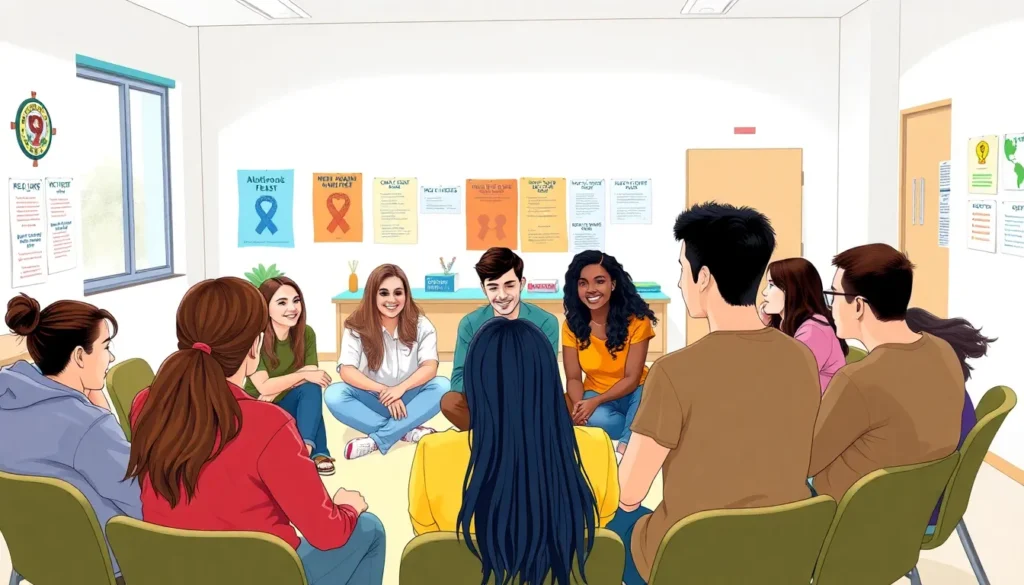
Navigating adolescence can feel like trying to find Wi-Fi in a remote cabin—frustrating and often isolating. With the pressures of school, social media, and the ever-changing landscape of teenage life, mental health issues can sneak in like a surprise pop quiz. Fortunately, adolescent mental health programs are here to save the day, offering support and resources that help young people tackle these challenges head-on.
These programs are like a GPS for the emotional journey of growing up, guiding teens through the twists and turns of mental wellness. They provide a safe space for self-expression and connection, turning the often daunting task of managing mental health into a team sport. By investing in these initiatives, communities can help empower the next generation to thrive, ensuring that mental health becomes a priority, not just an afterthought.
Overview of Adolescent Mental Health Programs
Adolescent mental health programs address the unique challenges teens face today. These initiatives provide essential support in navigating issues like anxiety, depression, and social pressures. Safe spaces help young individuals express themselves freely. Many programs incorporate counseling services, peer support groups, and educational workshops.
Counseling services offer personalized strategies for coping with stressors. Trained professionals guide adolescents through their mental health journeys. Peer support groups create a sense of community, allowing youth to connect with others facing similar struggles. Educational workshops focus on building resilience and teaching skills for managing mental health effectively.
Several community organizations champion these programs. Schools often partner with local mental health providers, increasing access to resources. Research indicates that effective programs yield positive outcomes, enhancing well-being and academic performance. Investing in such initiatives fosters healthier environments for young people.
Technology also plays a role in modern programs. Online platforms provide virtual support and resources, ensuring availability even in remote areas. Mobile apps help track mental health symptoms and promote self-care routines.
Incorporating family involvement strengthens these programs. Engaging parents and guardians ensures a comprehensive approach to adolescent wellness. Training for families equips them with tools to support their teens effectively.
Ultimately, prioritizing adolescent mental health creates lasting benefits. Empowered teens develop life skills to manage mental health challenges. Community investment in these programs reinforces the importance of mental well-being for future generations.
Importance of Mental Health in Adolescence

Adolescence marks a critical period for mental health, as challenges significantly impact long-term well-being. Understanding these challenges is essential.
Common Mental Health Issues
Anxiety ranks among the most prevalent mental health issues adolescents face. Depression also affects many, often resulting from intensive academic pressure and social dynamics. Eating disorders can emerge during this time as well, driven by societal standards and self-image concerns. Substance abuse frequently develops as a coping mechanism for emotional distress. Programs targeting these issues concentrate on delivering therapeutic interventions and promoting awareness, helping adolescents understand their mental health challenges.
Impact of Mental Health on Development
Mental health significantly shapes developmental trajectories in adolescents. Emotional well-being influences academic performance, affecting motivation and engagement in school activities. Strong mental health fosters healthy relationships, which are vital for social development. Conversely, mental health challenges can hinder personal growth, leading to isolation and poor self-esteem. Healthy coping strategies learned in programs directly contribute to resilience, empowering teens to navigate challenges effectively.
Types of Adolescent Mental Health Programs
Adolescent mental health programs vary widely, each tailored to address specific needs and challenges. These programs provide essential support, connecting teens with resources that foster mental well-being.
School-Based Programs
Schools often implement mental health programs directly within their facilities. These initiatives provide students access to counseling services, allowing them to discuss personal struggles in a familiar environment. Peer support groups encourage social interaction and reduce feelings of isolation. Educational components focus on building awareness about mental health issues, ensuring students recognize early signs of distress. Such programs improve academic performance by equipping students with coping strategies, thereby enhancing both emotional and educational outcomes.
Community Outreach Programs
Community organizations play a vital role in mental health initiatives. They often host workshops and events that promote awareness and education about mental health challenges. These programs aim to reach underserved populations, ensuring all adolescents can access assistance. Participants can engage in activities designed to strengthen resilience and social connections. Collaborative efforts with schools create a network of support that fosters a sense of belonging within the community. Such outreach enhances overall well-being by providing resources and guidance for navigating mental health issues.
Online Therapy Options
Virtual therapy has gained significant traction among adolescents. Online platforms offer increased access to psychological support, allowing teens to connect with licensed professionals from the comfort of their homes. This flexibility accommodates busy schedules and reduces barriers to seeking help. Teens often appreciate the anonymity that online therapy provides, making them more likely to engage in discussions about their mental health. Many platforms also feature self-care tools and resources, promoting proactive mental health management. Enhanced accessibility leads to better outcomes for adolescents seeking assistance.
Best Practices for Implementing Programs
Implementing effective adolescent mental health programs requires attention to specific best practices. Focusing on data-driven strategies, along with active engagement from families, cultivates a supportive environment for adolescents.
Evidence-Based Approaches
Integrating evidence-based approaches ensures program effectiveness. Utilizing data from recent studies strengthens interventions. Programs that implement cognitive behavioral therapy and mindfulness techniques show marked improvement in mental health outcomes. Assessing outcomes regularly helps organizations refine these approaches. Research by the Substance Abuse and Mental Health Services Administration indicates that structured programs yield higher success rates. Program developers should consider cultural and community-specific factors when tailoring interventions. Flexibility in methods allows adaptation to meet unique needs.
Engaging Adolescents and Families
Engaging adolescents and their families fosters a sense of ownership in mental health initiatives. Inviting families to participate in program activities enhances understanding and support. Programs that include feedback opportunities for participants enable continuous improvement. Creating a welcoming space encourages teenagers to express themselves freely. Additionally, using social media to communicate program benefits increases awareness among youth. Activities that involve families, like workshops and support groups, deepen connections and build lasting relationships. Feelings of belonging and community drive positive mental health outcomes. Prioritizing family involvement amplifies the effectiveness of mental health strategies.
Adolescent mental health programs play a vital role in supporting young people as they navigate complex emotional landscapes. By providing essential resources and fostering community connections these initiatives empower teens to build resilience and develop healthy coping strategies.
The collaboration between schools and community organizations enhances accessibility ensuring that all adolescents can benefit from tailored support. As technology continues to evolve the integration of online resources further expands the reach of these programs.
Prioritizing adolescent mental health not only improves individual well-being but also strengthens communities, creating a healthier future for generations to come. Investing in these programs is crucial for nurturing the mental health of today’s youth and equipping them with the skills needed for life’s challenges.


