
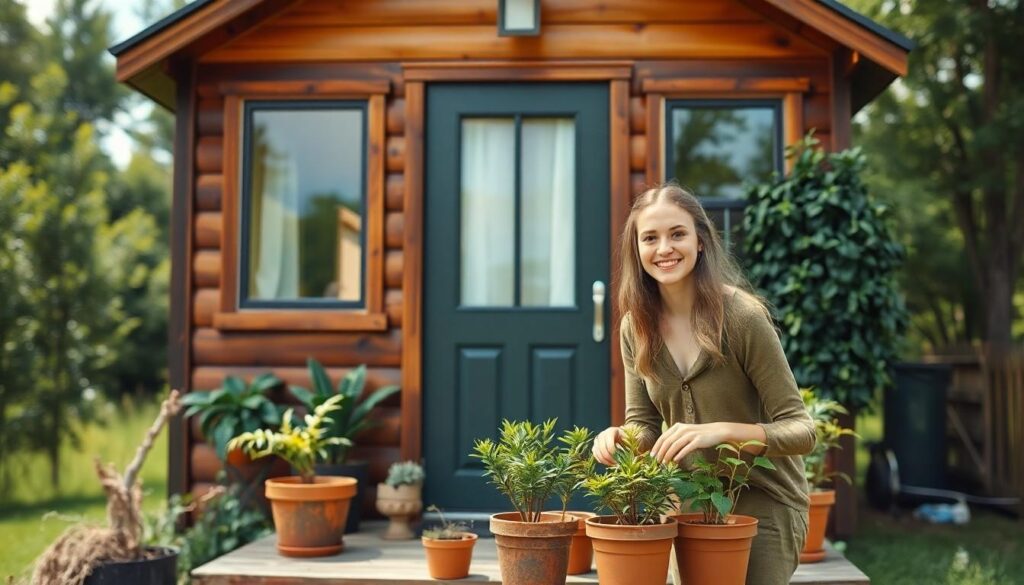
Tiny homes are all the rage, and for good reason. Who wouldn’t want to live large in a pint-sized paradise? But let’s face it, turning that dream into reality can feel like trying to fit a giraffe in a Volkswagen. Thankfully, with a sprinkle of creativity and a dash of resourcefulness, it’s possible to create a cozy retreat without breaking the bank.
Understanding Tiny Homes
Tiny homes have gained traction as affordable alternatives to traditional housing. These compact living spaces minimize the need for excessive material possessions while promoting sustainability.
Benefits of Living in a Tiny Home
Living in a tiny home offers significant financial savings. Homeowners often encounter lower utility costs due to reduced space. Simple maintenance is another key benefit; smaller areas require less time and effort to clean. Many tiny homes encourage a minimalist lifestyle, promoting decluttering and intentional living. Additionally, eco-friendliness is a notable advantage; fewer resources needed for construction means a lower carbon footprint.
Challenges of Tiny Home Living
Tiny home living presents unique challenges. Limited space can lead to discomfort for larger households, making organization crucial. Zoning regulations often complicate placement, restricting where tiny homes can be situated. Resale value is another consideration; tiny homes may not appreciate as quickly as traditional homes. Lastly, lack of storage necessitates clever solutions to keep living areas functional and tidy.
Budget-Friendly Tiny Home Ideas

Exploring budget-friendly tiny home ideas empowers individuals to create cozy living spaces without overspending. Both DIY projects and affordable models provide great pathways for achieving this goal.
DIY Tiny Home Projects
Crafting custom furniture offers a practical way to save money. Individuals can use reclaimed wood to build unique shelving units or tables. Creating multifunctional furniture optimizes limited space by combining storage and usability. Installing simple outdoor decks or garden areas enhances aesthetic appeal without significant investment. Lastly, incorporating recycled materials for insulation promotes sustainability in a cost-effective manner.
Affordable Tiny Home Models
Considerations for affordable tiny home models often include prefabricated structures. Many companies offer models priced between $20,000 and $60,000, making homeownership more accessible. Options like tiny house trailers provide mobility along with affordability. Studios and one-bedroom plans typically optimize layout while minimizing costs. Builders often emphasize essential amenities to maintain comfort without financial strain.
Designing Your Tiny Space
Designing a tiny home requires careful thought and creativity. Maximizing every square inch ensures comfort and functionality.
Maximizing Storage Solutions
Storage solutions must cater to compact living. Utilize vertical space with shelves that reach the ceiling. Under-bed storage offers hidden compartments for seasonal items. Multi-purpose furniture, like ottomans with storage inside, serves dual functions. Hooks, both inside and outside, keep items like coats and bags off the floor. Custom cabinets that fit snugly in corners maximize usability. Magnetic strips can hold utensils in the kitchen, saving drawer space.
Functional and Stylish Interior Design
Interior design should balance aesthetics and practicality. Select a neutral color palette to create an illusion of spaciousness. Bright accents in decor add personality without overwhelming the senses. Open floor plans provide better flow and enhance natural light. Large mirrors reflect light, making spaces appear larger. Choose furniture with a sleek profile, ensuring it fits comfortably without cluttering the room. Plants introduce life and improve air quality, enhancing overall wellness. Simple yet effective designs lead to an inviting tiny home.
Sustainable Living in Tiny Homes
Sustainable living in tiny homes emphasizes eco-friendliness and mindful choices. Individuals can significantly reduce their carbon footprint while enjoying their compact living space.
Eco-Friendly Materials and Practices
Sourcing eco-friendly materials proves essential for sustainable tiny home construction. Reclaimed wood serves as an excellent option for flooring and furniture, promoting recycling and reducing waste. Bamboo, known for its rapid growth and renewability, also provides a sustainable alternative. Non-toxic paints and finishes enhance indoor air quality while protecting the environment. Incorporating insulation made from recycled materials improves energy efficiency while further minimizing environmental impact. Choosing solar panels enables homeowners to harness renewable energy, significantly lowering utility-dependent costs. Simple practices, such as composting and using rainwater capture systems, also enhance eco-friendly living.
Energy Efficiency Tips
Maximizing energy efficiency contributes to cost savings in tiny homes. Using energy-efficient appliances minimizes overall consumption without sacrificing performance. LED lighting offers a long-lasting and low-energy solution for illumination. Proper insulation, including walls and roofs, keeps homes warm in winter and cool in summer, ultimately reducing heating and cooling expenses. Sealing drafts around windows and doors helps maintain a comfortable indoor climate while cutting utility bills. Smart thermostats regulate energy use based on schedules, ensuring optimal efficiency. Ultimately, a focus on energy savings complements the sustainable lifestyle associated with tiny home living.
Embracing the tiny home lifestyle offers a unique blend of affordability and sustainability. With thoughtful planning and creativity, anyone can transform a compact space into a warm and inviting sanctuary. By focusing on multifunctional furniture and smart storage solutions, it’s possible to maximize living areas without sacrificing comfort.
The journey toward tiny living encourages a minimalist mindset that not only simplifies life but also fosters a deeper connection with one’s surroundings. As more individuals explore these budget-friendly options, the dream of owning a tiny home becomes increasingly attainable, proving that less truly can be more.


